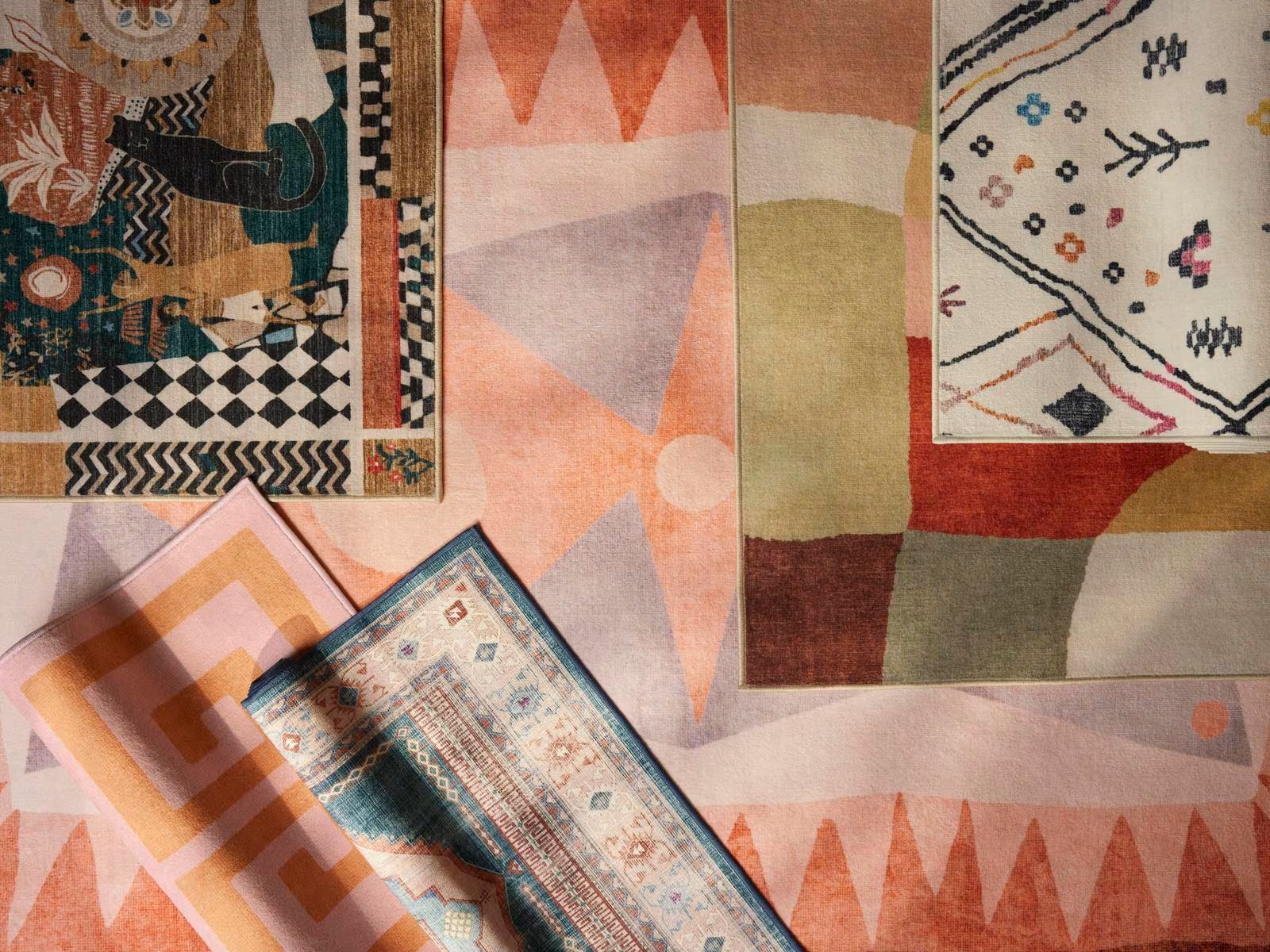
Do you know what's better than one rug? Two (and maybe even three). Layering rugs is one of the best ways to transform your space. No matter what your aesthetic is, the art of layering elevates any room. From pairing jute rugs with Persian-style carpets to combining bold geometric prints with plush, neutral tones, stacking your rugs can add warmth, texture, and depth. Both a stylish and practical approach, it not only adds visual interest but also serves a functional purpose by delineating zones in open spaces or protecting high-traffic areas.
Playing with colors, patterns, and scale makes it easy for homeowners and renters to sprinkle in a 'lil personality to their homes; you can even add rugs in carpeted rooms for the ultimate level-up. This guide will walk you through choosing complementary textures and tones, and how to layer rugs like a pro.
How to Layer Rug Patterns
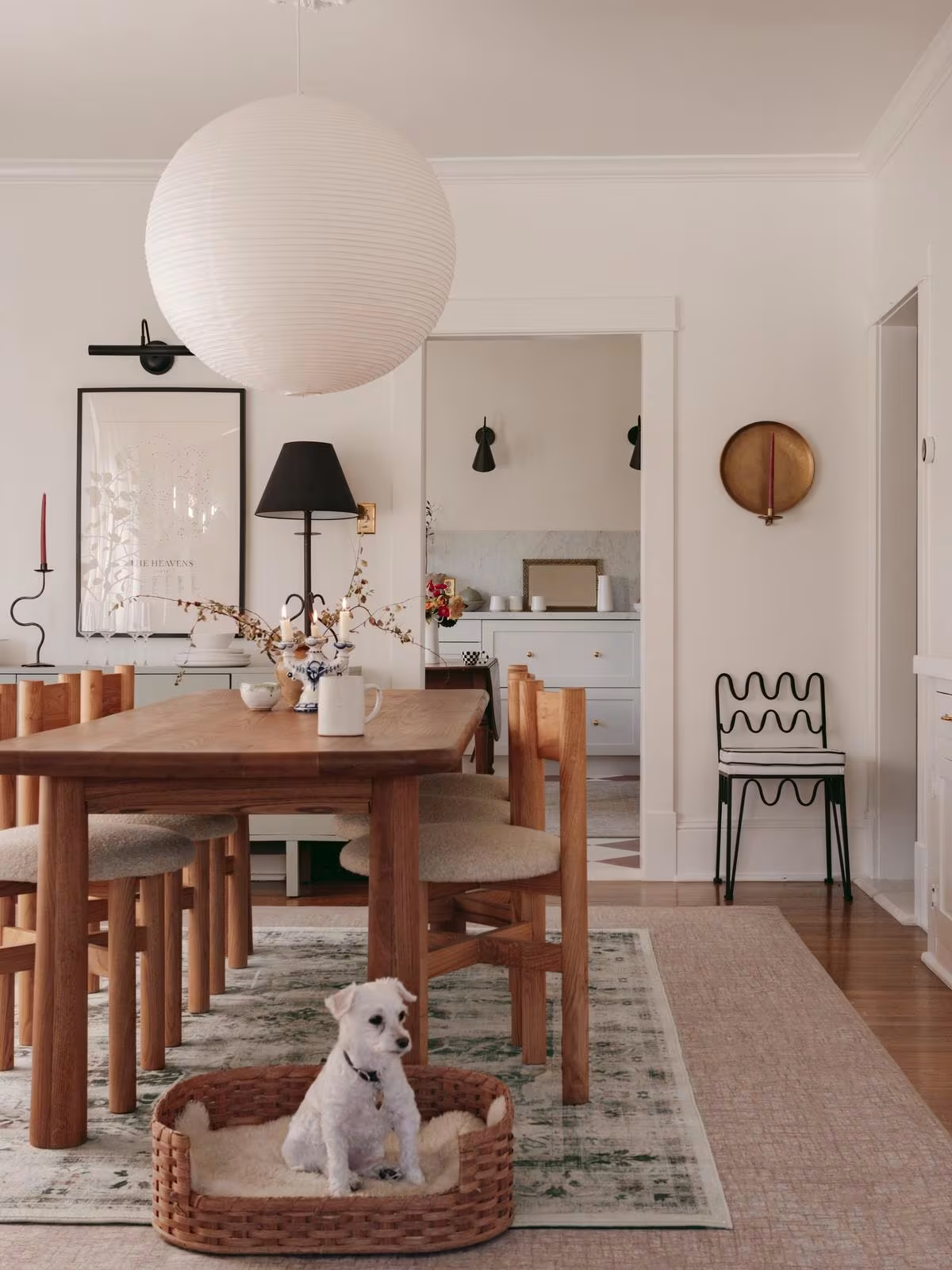
Layering rug patterns sounds complicated, but it is one of the simplest ways to create a bold difference in your space. Finding the balance between bold and subtle helps to strike the perfect cohesive look. Start by choosing a dominant pattern for the base layer — think of a large-scale Persian rug, like our The Hiltons Bel Air Dark Chocolate Rug, with a secondary smaller rug in the same color house on top. Our Justina Blakeney Hilma Charcoal Rug would look great. The key is to contrast scales and ensure that the colors in both rugs complement each other, tying into your room’s overall palette. This technique works beautifully in living rooms, under dining tables, or bedrooms, adding depth and personality to your decor.
How to Layer Rug Sizes
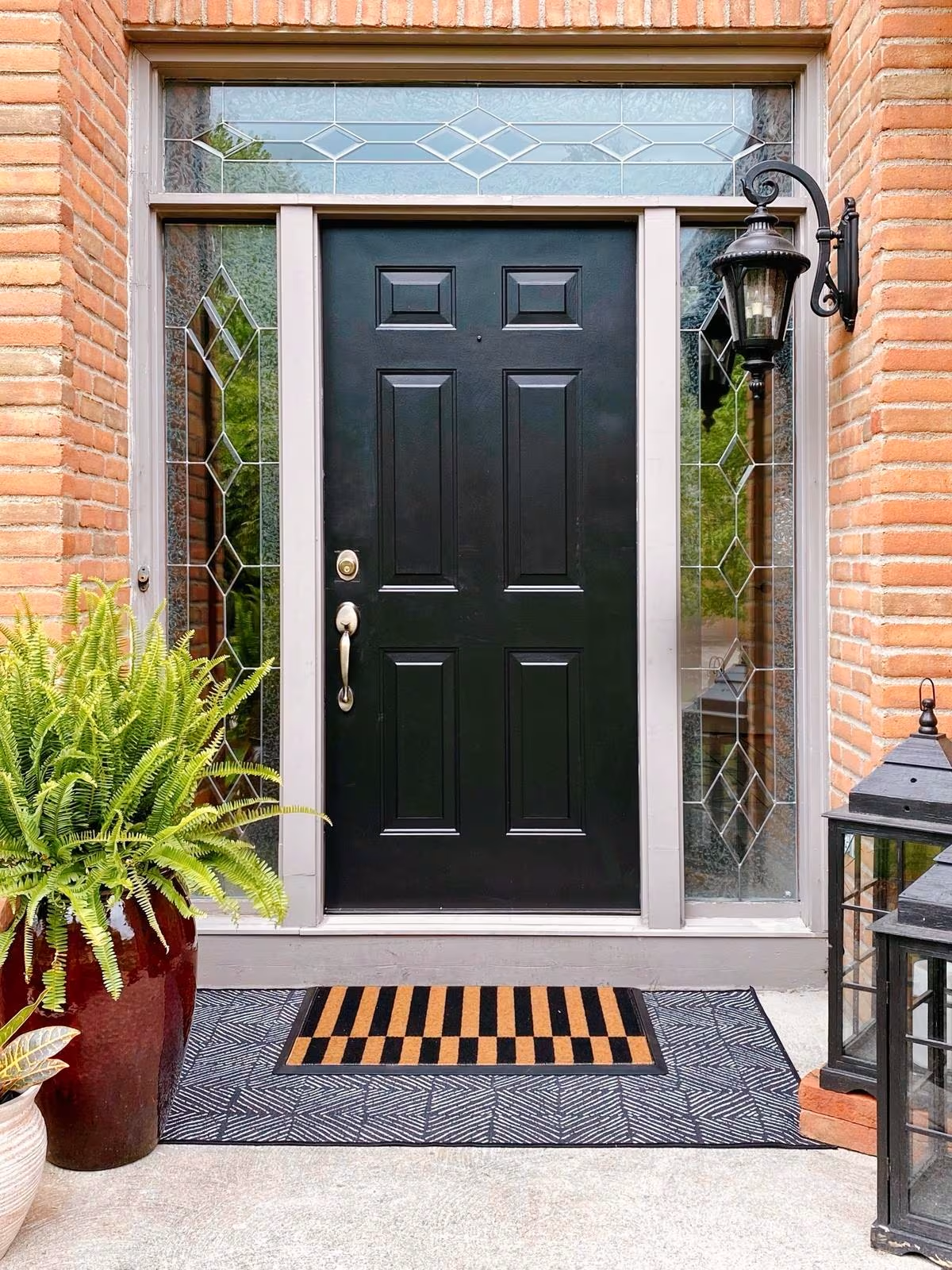
Layering rugs of different sizes is an easy way to add depth and structure to your space while maintaining balance and harmony. Start with a larger rug as the base layer to anchor the room — neutral jute rugs like our Burlap Solid Sand Re-Jute Rug are great. Then, place a smaller rug on top to create a focal point; this could be a vibrant patterned rug like our Architectural Digest Dissolve Teal Gradient Rug. This helps draw attention to a specific area, like the dining table or a seating arrangement. When layering, aim to have the top rug only about 60 to 70 percent of the base rug’s size, leaving the base rug’s edges visible for ultimate contrast. This is also great for defining spaces while adding texture and dimension.
How to Layer Rug Textures
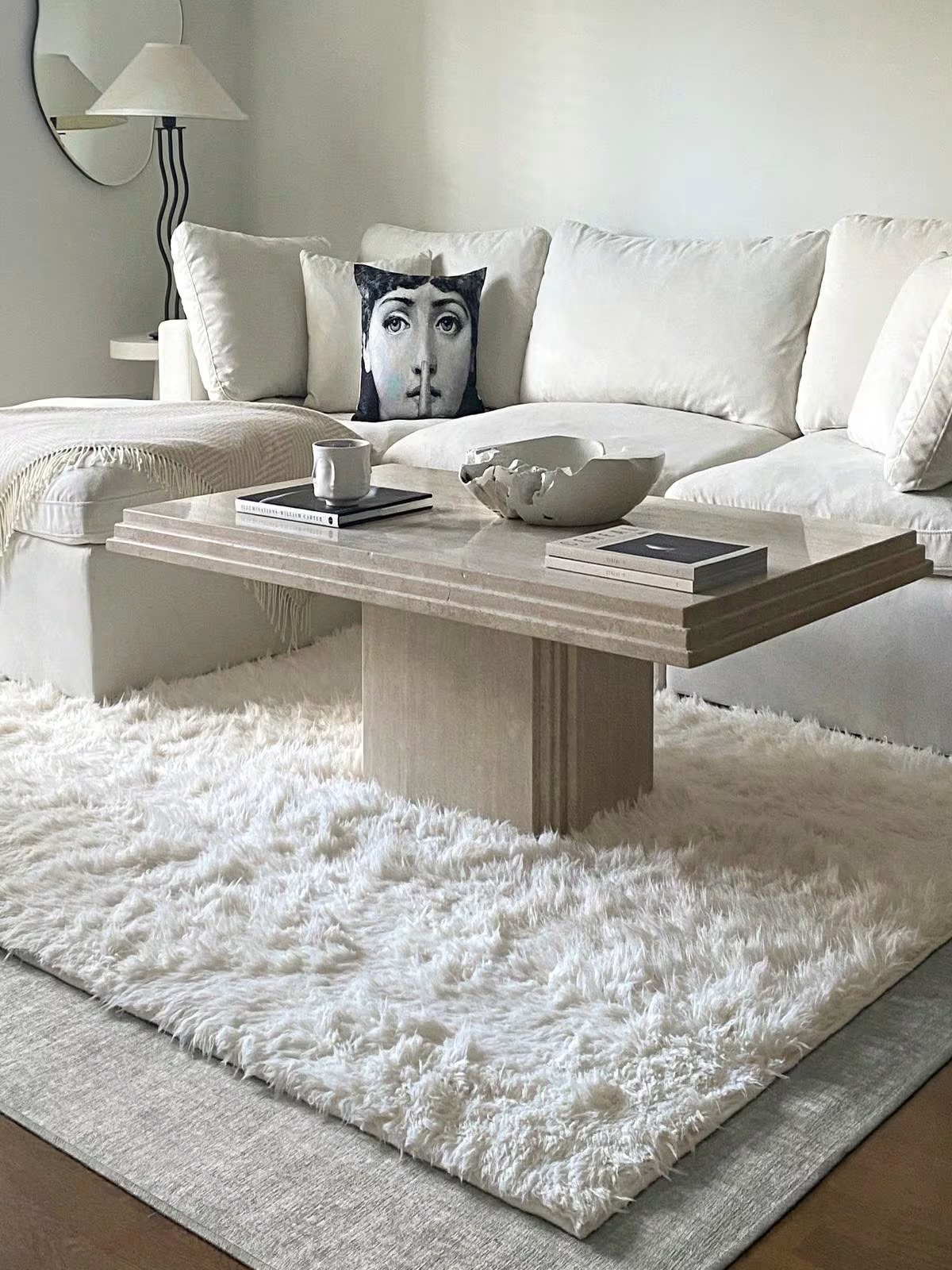
Looking to add depth to your home decor? Opt for layering different rug textures. Start with a durable, flat base rug to ground the space. Then, layer a softer, more plush option, like a shag, faux fur, or tufted wool, on top to add comfort and contrast. Mixing textures works best when the layers create a tactile balance; pairing a natural fiber with a softer, more luxurious one gives visual and physical appeal. This technique is perfect for creating a cozy nook, defining seating areas, or adding a touch of opulence to any space.
How to Layer Rug Colors
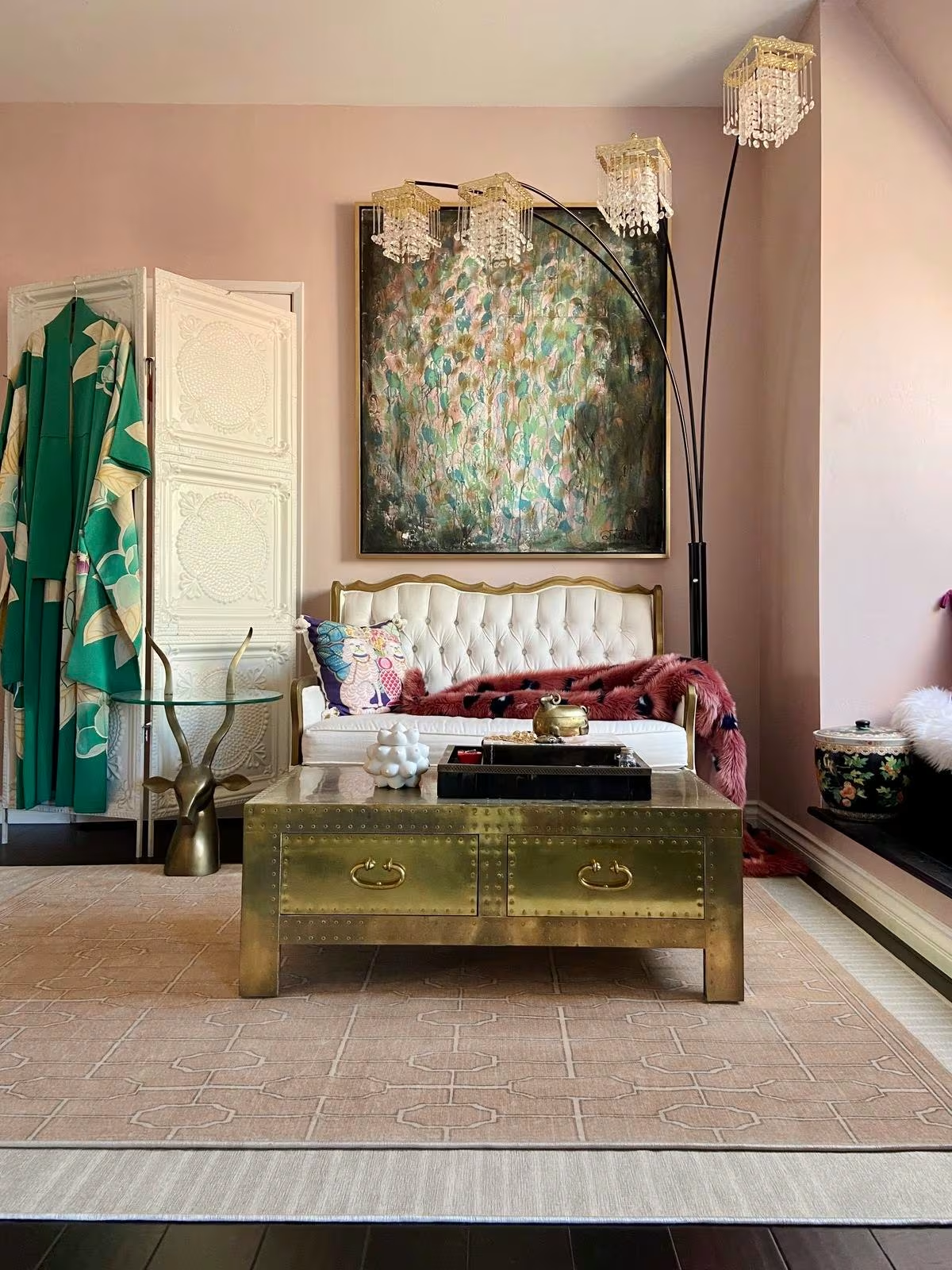
If you really want to infuse some personality and fun into your home, layering with color is the way to do it. If you’re more reserved with colors, we recommend starting with a neutral or muted-colored base rug that anchors the room; our Valencia Sage Green Rug in light grey is a great choice. Then, layer on a different muted color, like The Hiltons Diana Trellis Rose Gold Rug, to keep the look balanced and tasteful. If you’re more adventurous, you can layer with bolder colors like our Indra Tufted Rug in PANTONE™ Cendre Blue with Mica Rug in PANTONE™ Cerise. The key is focusing on hues that are either in the same family or offer a tasteful contrast. This approach ensures your layered rugs look intentional and stylish, seamlessly blending with your room’s palette while adding depth and personality.
How to Layer Rug Shapes
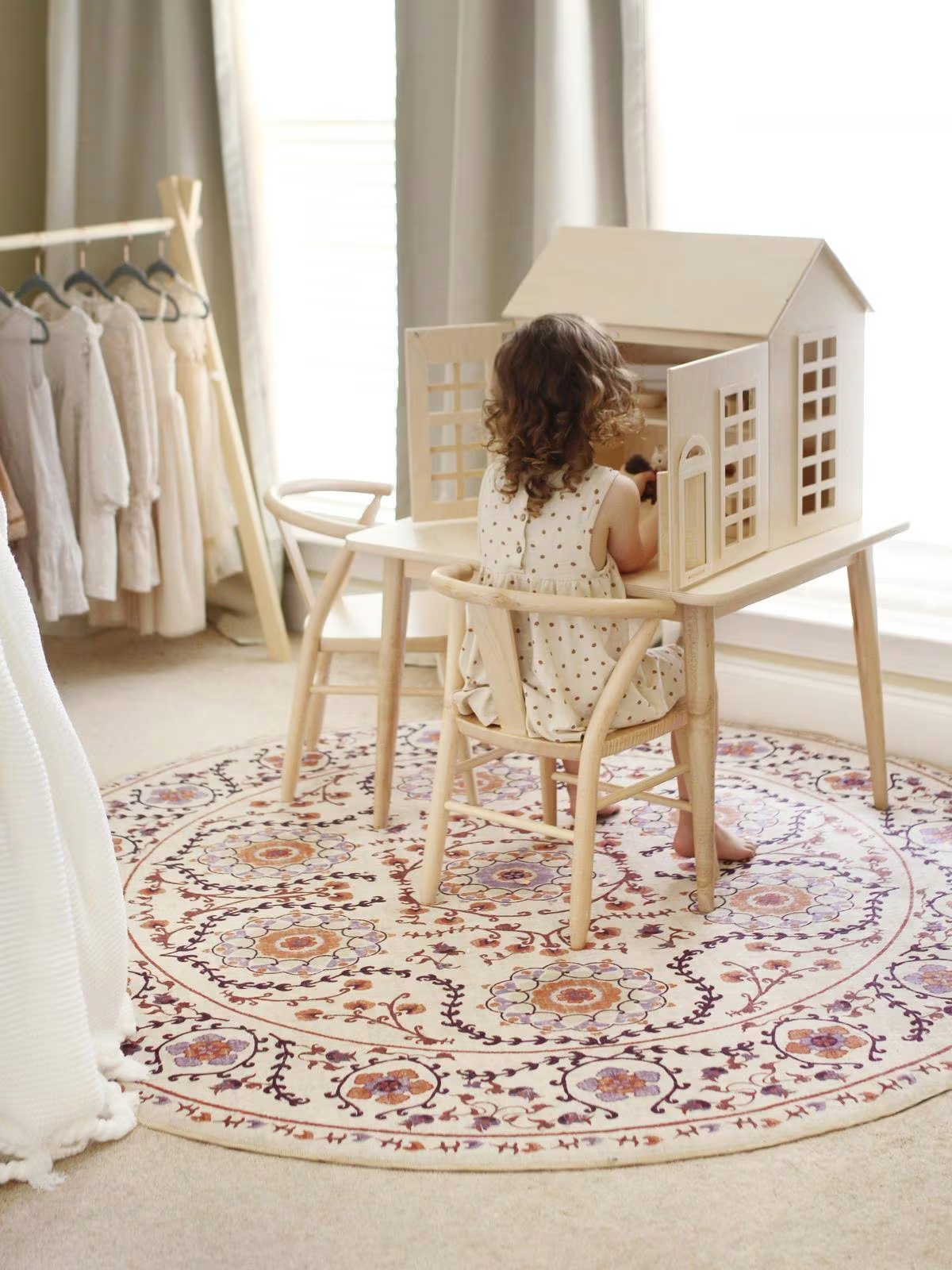
Layering rugs of different shapes is both a fun and creative way to add a unique touch to any room in your home. We like to start with a larger rectangular or square rug as our base — this helps to ground the room and create more focus on the top rug. We love our Crosshatch Natural Rug for this. Then, layer a smaller, differently shaped rug, like a round, oval, or even irregularly shaped, on top to create a focal interest. We love the round version of our Justina Blakeney Sonia Sand & Ocean Rug as a topper. A circular rug placed over a rectangular one can soften sharp angles in a room and create a more cohesive layout. When layering shapes, consider how the arrangement complements your furniture; a round rug under a coffee table or layered over a larger rug can draw attention to the centerpiece of your space.
Ready to transform your space? Explore Ruggable’s wide range of washable rugs in every style and size to find the perfect layers for your home.
More From The Blog



Jasmine Desiree | Editor
Jasmine Desiree is a Los Angeles-based writer and editor who covers everything from beauty and wellness to interior design. She loves reporting on people, places, and trends that are innovative and influential to the culture. In addition to Ruggable, her writing has appeared in the Los Angeles, Times, PS Beauty, Coveteur, Architectural Digest, Huffington Post, and more.
Follow Me