Home Design Ideas
What Is Maximalist Interior Design? How to Choose the Perfect Rug
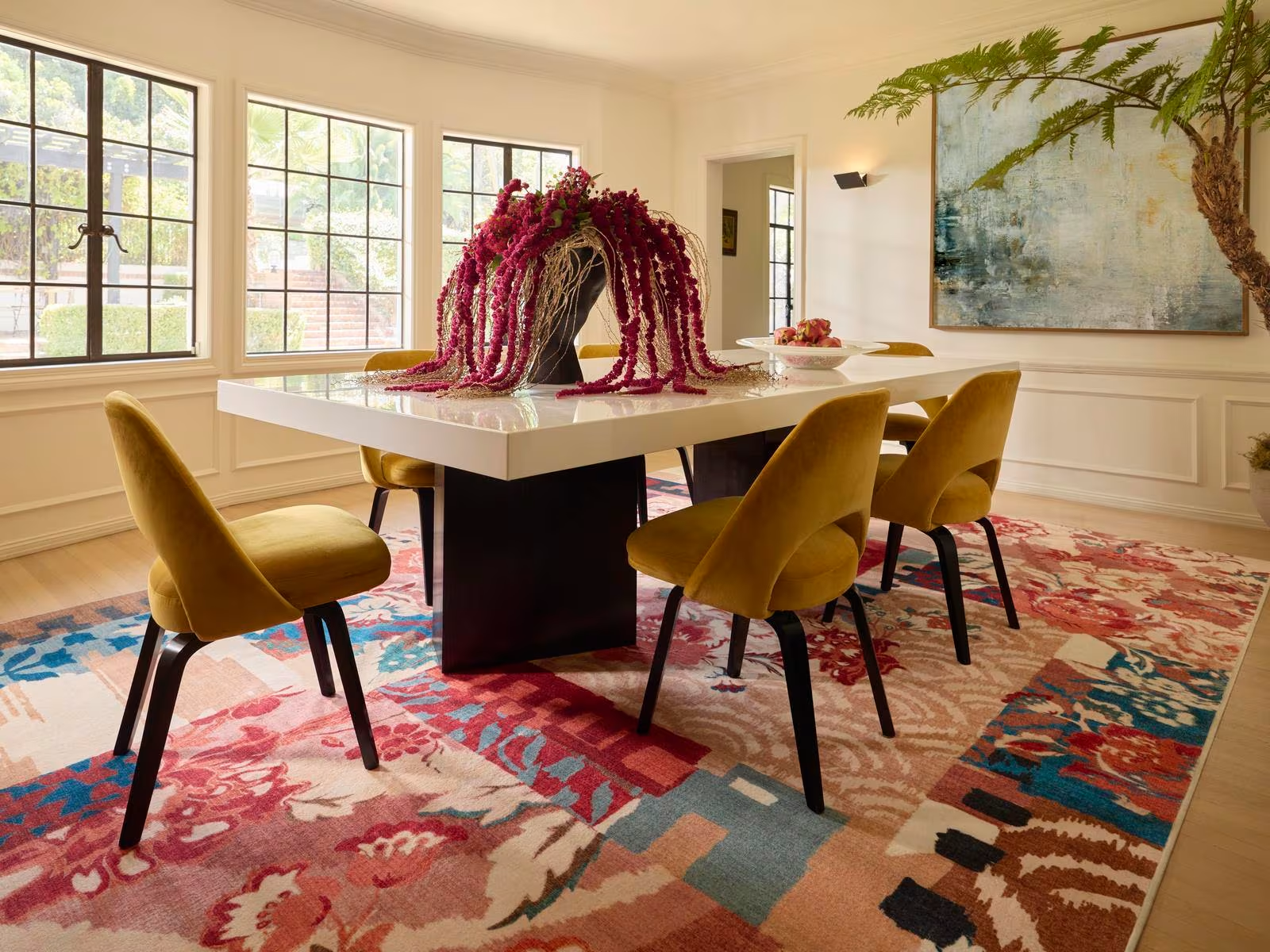
If you’ve ever stepped into a room that feels alive with personality, unexpected textures, and visual drama, you’ve experienced the magic of maximalist design. Far from just "adding more stuff," true maximalism is an art form. It celebrates self-expression, curation, and the freedom to break traditional design rules in the most stylish way possible.
Below, we break down what maximalist interior design actually is, how to master the look without the chaos, and how to choose the perfect rug to anchor your boldest space.
What Is Maximalist Interior Design?
At its core, maximalist interior design is the art of intentional abundance. It utilises colour, pattern, texture, and history to create visually rich, deeply personal spaces.
While minimalism prioritises restraint and clean lines, maximalism leans into depth and character. However, there is a common misconception that maximalism equals chaos. In reality, successful maximalist spaces are highly curated. They bring together contrasting elements—like modern seating paired with antique cabinets, or bold wallpaper offset by rich, tactile fabrics—in a way that feels cohesive rather than overwhelming.
So, how do you pull off this masterclass in visual storytelling without crossing the line into chaos? It all comes down to a few smart styling rules.
How to Curate a Maximalist Space (Without the Clutter)
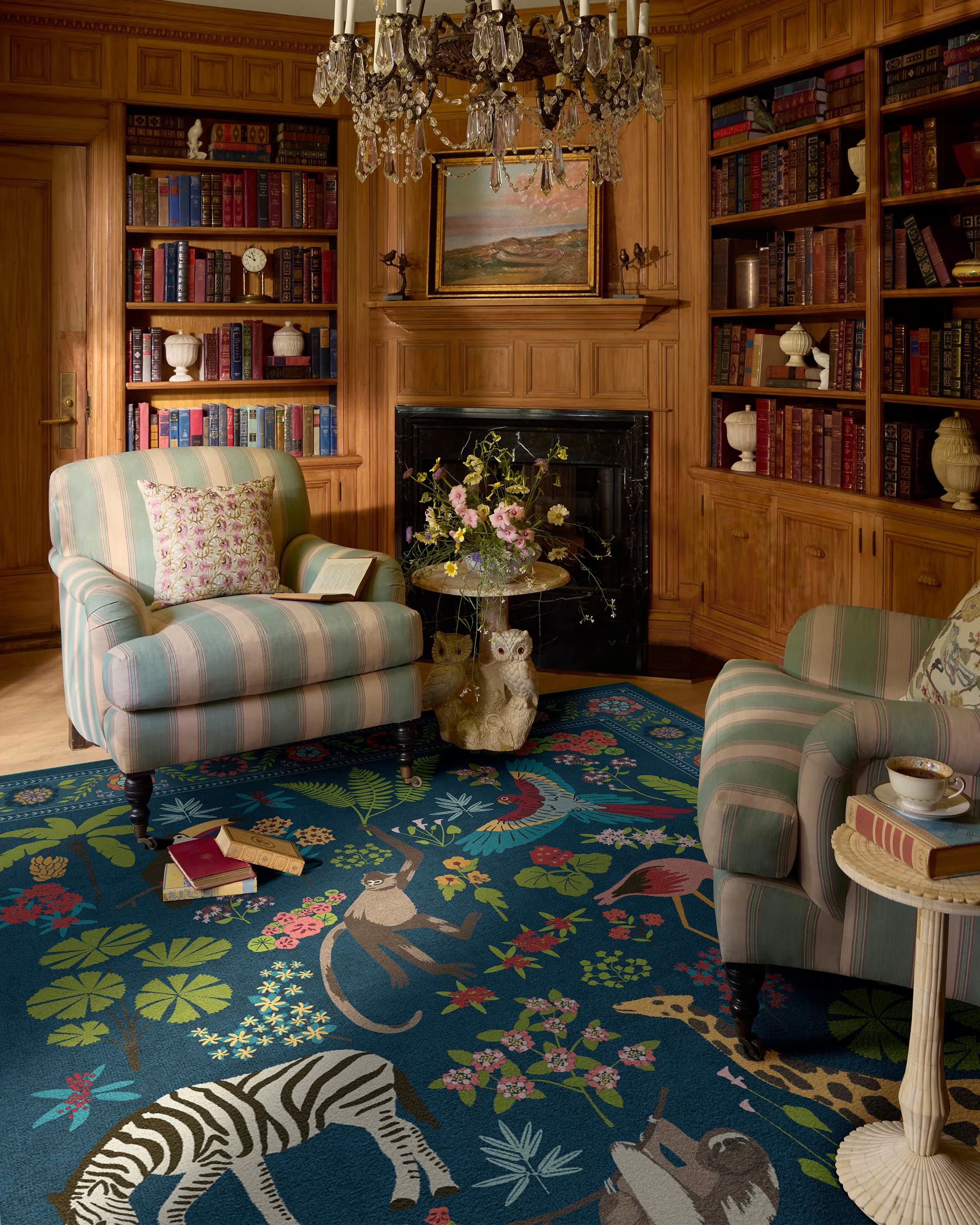
Creating a layered, expressive home is a journey of curation. To build a space that feels sophisticated and intentional, keep these three principles in mind:
Start With a Defining Anchor
Don’t try to style an entire room in one go. Start with a single, high-impact piece that inspires you. This could be a vibrant accent wall, a beloved piece of art, or a bold, pattern-forward area rug. Use this primary piece to extract a core colour palette that will guide your subsequent décor choices.
Master the Art of the Edit
Maximalism encourages display, but it still requires a critical eye. To prevent your space from feeling overcrowded:
Leave visual breathing room: Not every square inch of wall or floor space needs to be covered.
Group items with intention: Display collections in cohesive clusters rather than scattering them haphazardly.
Rotate your décor: Keep your space feeling fresh by swapping out smaller accessories and artwork seasonally.
Embrace High-Contrast Pairings
Cohesion doesn't come from matching; it comes from finding unexpected relationships between different pieces. Pair sleek, contemporary silhouettes with the ornate artistry of a Persian rug. Mix matte finishes with glossy metallics. As long as there is a common thread—such as pulling a shade from your main colour rug or balancing visual weight—the contrast will feel incredibly stylish.
But to truly tie these contrasting, high-energy elements together, you need a grounding force on the floor—and that’s where the right rug comes in.
Foundation of Maximalist Design
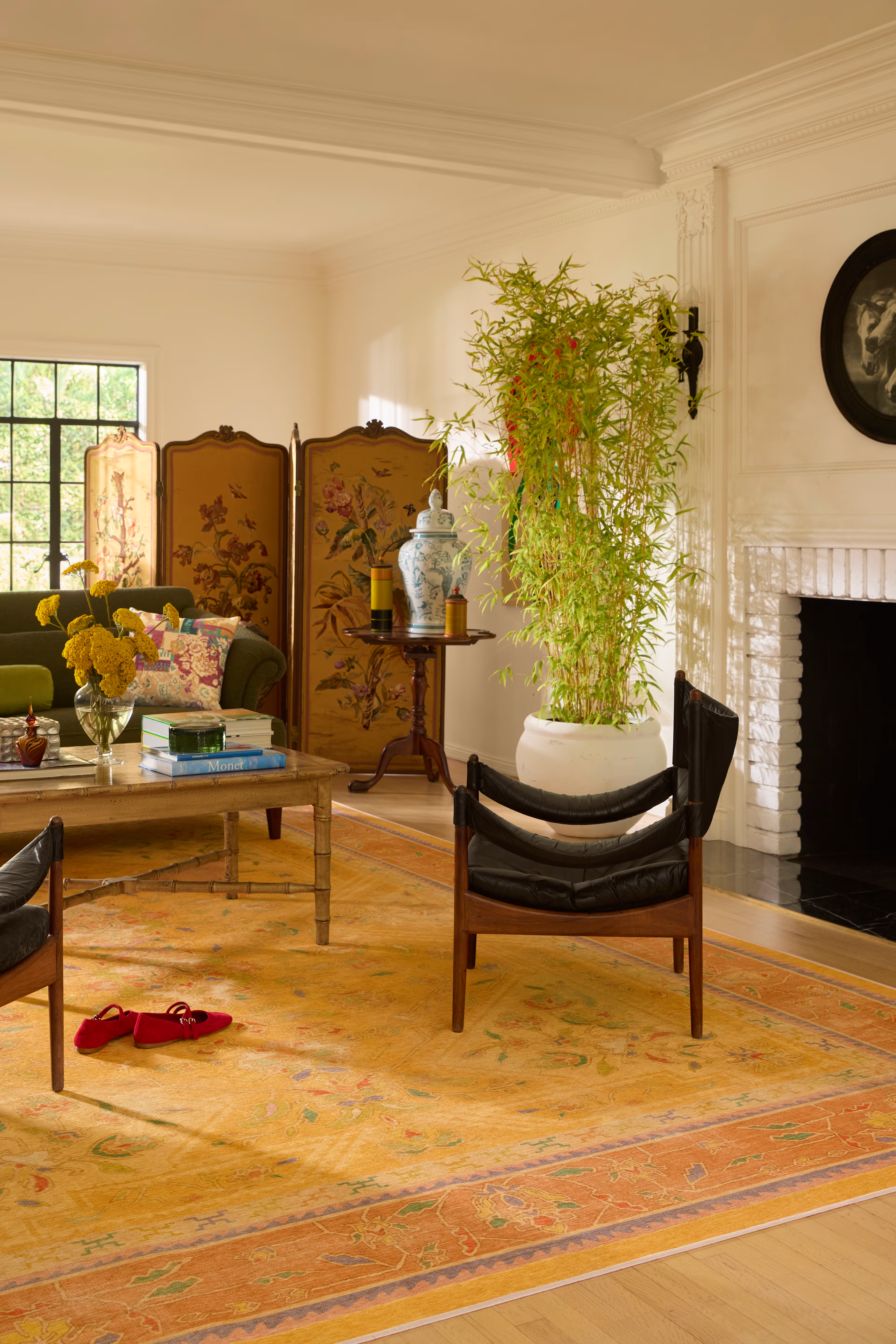
In an expressive room, your floor is essentially a fifth wall. Because a rug occupies so much visual real estate, it acts as the foundation that ties your entire design narrative together.
For maximalists, rugs serve two critical purposes:
Defining Zones: In open-plan layouts, choosing the right rug size is critical to physically anchor furniture groupings and keep your layered pieces from looking like they are "floating."
Unlocking Fearless Colour: Historically, homeowners shied away from light, delicate palettes in high-traffic areas out of fear of spills. Because our system is completely machine-washable, you can fearlessly style a light neutral colour rug or an intricate, jewel-toned design in the centre of your busiest room without a second thought.
Choosing Your Rug Style: Statement vs. Unifier
When selecting a rug for your maximalist space, first determine the role you want it to play.
Rug Role | Best For | Styling Strategy |
|---|---|---|
The Statement Maker | Rooms with neutral furniture or solid-coloured walls. | Choose bold patterns, high-contrast geometric shapes, or vibrant, unexpected colourways to make the rug the focal point. |
The Grounding Unifier | Rooms that already feature busy wallpaper, colourful upholstery, or extensive art galleries. | Opt for a rich monochrome design, a subtle tone-on-tone pattern, or a deeply textured classic vintage rug to weave the elements together. |
A Note on Scale
Size is non-negotiable. While styling a small rug is perfect for layering, highlighting a cosy reading nook, or defining an entryway, you almost always want to lean toward a large rug to ground a main space and unite your furniture.
For example, here is how you should think about scale in two of the most common spaces:
For your living room rug: Ensure the dimensions are generous enough that at least the front legs of all major seating pieces rest comfortably on top.
For your dining room rug: The rug should extend far enough past the table edges that chairs remain fully on the surface, even when pulled out for guests to sit.
Bring the Look Home: The Ultimate Inspiration
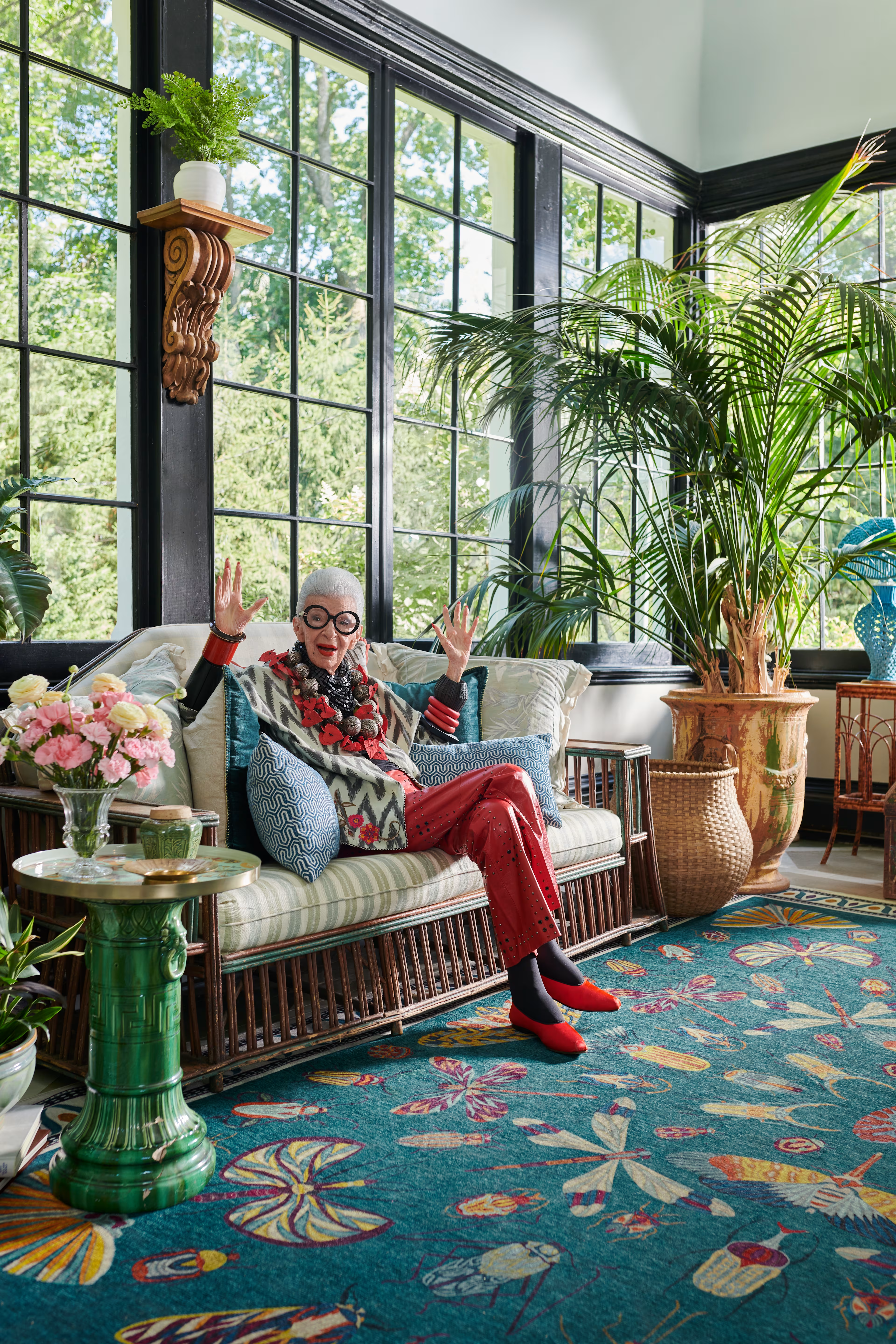
Ultimately, maximalism is about building a home that tells your unique story. No one championed this fearless philosophy better than the legendary style icon Iris Apfel. Known for her eclectic taste and brilliant eye for layering, she famously believed that personal expression trumped any temporary trend.
"You've got to know who you are. Don't listen to the experts. Listen to yourself. Listen to what you love."
— Iris Apfel
That exact spirit of joyful, unapologetic self-expression is what inspired the Ruggable x Iris Apfel Collection. Featuring rich textures, striking wildlife motifs, and brilliant colours, the collection is designed to help you step outside your comfort zone and design a home that feels thoroughly, beautifully yours.
The goal of maximalism isn't to create a fragile museum space. It’s to build a vibrant, beautiful home that tells your story—and is fully washable, so you can actually live in it without fear.
Frequently Asked Questions
Not quite. While they share similarities, eclectic design focuses on blending elements from different design eras and styles (e.g., Mid-Century Modern mixed with French Provincial). Maximalism focuses primarily on abundance, scale, and visual density, regardless of whether the pieces come from the same era.
Absolutely. You can achieve a maximalist aesthetic using a monochromatic or neutral colour palette by focusing heavily on texture, architectural details, sculptural furniture shapes, and layered artwork.
The secret is keeping clear pathways for movement and ensuring your lighting is on point. Well-placed task, ambient, and accent lighting guides the eye through the room, highlighting your curated layers rather than letting them blend into a chaotic shadow.
More From The Blog


Ruggable
The Ruggable Team delivers home decor inspiration, practical rug care tips, and the latest interior styling trends. Our interior design enthusiasts and textile experts share creative ideas and easy-to-follow advice, helping you create stylish, comfortable, and easy-to-maintain spaces.
Follow Us